

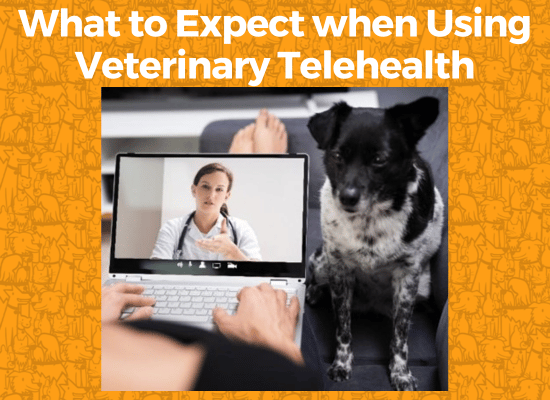
Are you considering using a veterinary telehealth service for your pet?
Veterinary telehealth has made it easier than ever for pet parents to connect with veterinary professionals from the comfort of home. But if you've never used a telehealth service before, you may have questions about how it works, when to use it, and whether it's the right fit for your fur kid.
To help answer those questions, we recently spoke with Dr. Seth Vrendenburg ("Dr. V"), a licensed veterinarian with VetInsight, on our Pet Lover Geek podcast (you can listen to the episode here). We'll share some of his insights below as we explore how veterinary telehealth works and how it can support your pet's overall health and well-being.
Veterinary Telemedicine vs. Telehealth
Before diving in, it's important to understand that veterinary telemedicine and veterinary telehealth are not the same thing.
Veterinary Telemedicine
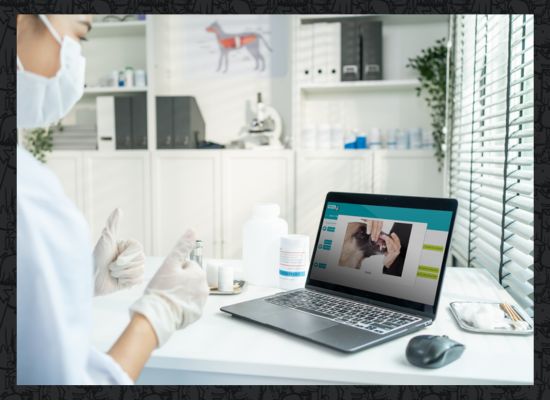
Veterinary telemedicine allows a veterinarian to remotely evaluate an animal's condition and provide treatment recommendations under specific circumstances. Generally, this requires an existing veterinarian-client-patient relationship (VCPR), meaning your pet has already been seen in person by that veterinarian.
Veterinary Telehealth
Veterinary telehealth, sometimes referred to as tele-advice or tele-triage, is a broader category of remote veterinary support. It often includes wellness guidance, behavioral questions, preventative care discussions, and education for pet parents.
Many telehealth services provide convenient access to veterinary professionals, often with extended availability compared to traditional clinics.
Both telemedicine and telehealth improve communication between veterinary professionals and pet parents, helping support better outcomes for pets.
What is Veterinary Telehealth and How Does it Work?
Veterinary telehealth allows pet parents to connect with veterinary professionals without leaving home. Depending on the service, consultations may take place through messaging, phone calls, video appointments, or email.
Whether you're dealing with a new symptom, a behavior concern, or a general wellness question, services like Dutch provide a convenient way to access professional guidance when you need it.
Through telehealth, pet parents can ask questions, receive advice, discuss symptoms, and gain a better understanding of what steps to take next.
How do I Get Telecare for my Pets?
Many local veterinary clinics offer limited telemedicine services, but not all provide dedicated telehealth or tele-advice options.
For on-demand access to veterinary guidance, many pet parents choose a separate telehealth provider. Some pet insurance plans include telehealth benefits, while others partner with third-party providers.
PetHub partners with Dutch to help pet parents access veterinary telehealth services from home. Dutch offers convenient online consultations and veterinary guidance when questions arise about your pet's health.
Other options may include services such as Vetster, Pawp, or telehealth offerings available through your pet insurance provider. If you don't have pet insurance, yet, visit our convenient insurance quote comparison tool, here.
Can I Use Telehealth Instead of Visiting My Veterinarian?
No.
Telehealth is an excellent supplement to veterinary care, but it is not a replacement for regular in-person veterinary visits.
Your veterinarian remains the most important resource for physical examinations, diagnostic testing, vaccinations, and ongoing medical care. Telehealth works best when used alongside traditional veterinary care.
That said, telehealth can provide peace of mind, help answer questions quickly, and assist pet parents in deciding whether an issue requires immediate veterinary attention.

Benefits of Veterinary Telehealth
One of the biggest benefits of veterinary telehealth is convenience.
You can get answers to health and wellness questions from the comfort of your own home, often without waiting days for an appointment. Many telehealth services also cost significantly less than an in-person veterinary visit and may offer unlimited consultations through a monthly or annual subscription.
Another often-overlooked benefit is time.
According to Dr. V: "You know [tele-advice vets] have the gift of time. When I'm interacting with a client through VetInsight, I don't really have any time limit on that. Our phone calls and chats typically are set up for 15 minutes and typically that's enough time to kind of get through what you need. But consults can last 20 or 30 minutes depending on what the topic is and how much information we're trying to share. Our philosophy is to slow down and share as much as we can so that the pet parents are armed with the knowledge they need."
Drawbacks to Consider
While telehealth offers many advantages, it does have limitations.
Without an in-person examination, veterinary professionals may not be able to definitively diagnose certain conditions. Regulations surrounding prescriptions also vary by state and may limit what services can provide remotely.
If building a long-term relationship with a single veterinarian is important to you, you should also know that many telehealth platforms connect you with whichever veterinarian is available at the time of your consultation.
Which Option Is Best?
The best approach is usually a combination of both telehealth and traditional veterinary care.
Veterinary telehealth professionals can provide valuable guidance, help you better understand your pet's symptoms, and recommend appropriate next steps.
As Dr. V explains: "Our goal is to help you improve the overall wellness and health of your pets, and to empower you to make the right decisions for them."
While telehealth professionals may not always be able to provide a definitive diagnosis without an examination, they can often help determine whether an issue can be monitored at home or requires an in-person veterinary visit.
Preparing for Your Pet's Telehealth Consultation
Preparing for a telehealth consultation is usually much easier than preparing for an in-person veterinary visit.
If you're using a video-based service, choose a quiet, well-lit area where the veterinary professional can clearly see your pet.
If appropriate, take photos or videos of the issue beforehand. This can help document symptoms and make it easier to explain concerns during the consultation.
You'll also want to have:
- Your pet's medical history available
- Current medications and supplements listed
- Notes about symptoms or concerns
- Any questions you want to discuss
Being prepared helps ensure you get the most value from your appointment.
What Should You Expect During a Telehealth Appointment?
When we asked Dr. V what pet parents should expect, he said: "I like to think the experience is very similar to what you would experience in a clinic. Expect to have a lot of questions asked. [Veterinarians] are inquisitive people and the more information we can know about your concern or the situation that's affecting your pet the better off we are at being able to provide appropriate insight and advice."
Like any veterinary visit, expect questions about your pet's symptoms, history, environment, diet, medications, and behavior.
The more information you provide, the more helpful the guidance will be.
Messaging, Video, or Email?
Different services offer different ways to connect.
According to Dr. V, the best option often depends on your schedule and the urgency of your concern.
Email consultations can be convenient for non-urgent questions, while messaging, phone calls, or video appointments are often better for situations where you need guidance sooner.
Consider both your availability and your pet's needs when choosing the format that works best for you.
Questions to Ask During a Telehealth Visit
One advantage of telehealth visits is that you often have more time to ask questions and seek clarification.
Don't hesitate to discuss:
- Diet and nutrition
- Exercise recommendations
- Behavioral concerns
- Preventative care
- Medication questions
- General wellness topics
As Dr. V notes: "My role as a tele-advice veterinarian really is to provide advice and education to clients on a whole host of topics. Anything they want to ask me is fair game."
After the Consultation
Once your appointment is complete, review the recommendations provided and determine your next steps.
Depending on the situation, this may include:
- Monitoring symptoms at home
- Trying recommended over-the-counter products
- Scheduling a visit with your local veterinarian
- Following up with the telehealth provider
Many telehealth services also provide visit summaries or digital records that can be shared with your veterinarian.

Working Alongside Your Veterinarian
Some pet parents worry that their regular veterinarian may not support the use of telehealth services.
According to Dr. V, that's becoming less of a concern as telehealth becomes more common within veterinary medicine.
Veterinary telehealth and traditional veterinary care are not competitors. They work best together, helping pet parents access information, guidance, and care when they need it most.
Get Telehealth Support Through PetHub
If you're looking for convenient access to veterinary guidance from home, Dutch can help connect you with licensed veterinary professionals who can answer questions, discuss concerns, and help you determine the next best step for your pet's care.
Whether you're dealing with a new symptom, a behavioral concern, or simply looking for peace of mind, telehealth can be a valuable addition to your pet care toolkit.