


Just because the weather is changing doesn’t mean your dog walking routine should. Sticking to regular walks will prevent you and your dog from packing on those winter pounds. Keeping up on walks with your pup also helps with enrichment and warding off the winter blues!
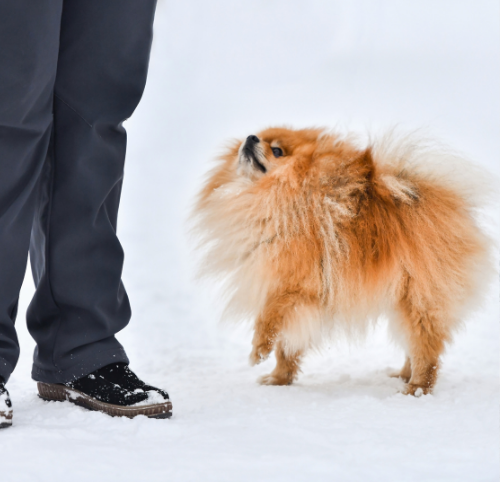
How to make sure you stay safe during winter walks with your dog
1. Make sure you and your dog are seen
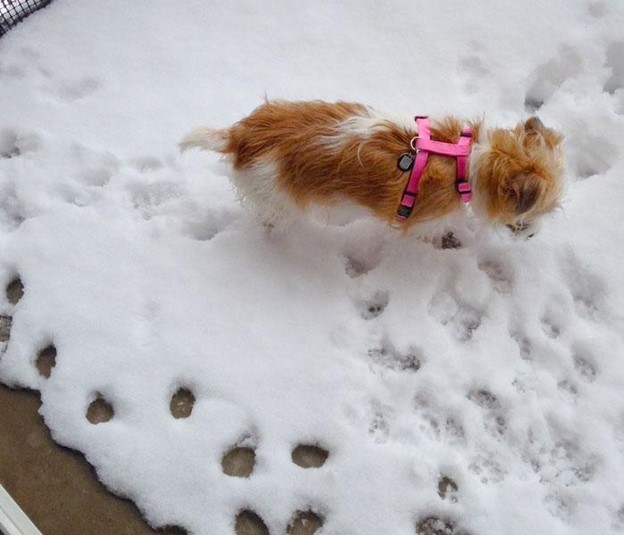
It’s unnerving for a car to skim by you when you're in a crosswalk or just about to step off the curb. In most cases, it’s an accident, but that doesn't take away from the risk or scariness of that kind of situation. The darkness can make it really hard for drivers to see you, especially if there is rain or snow on their windshields.
To help keep you and your dog safe and visible, use reflective gear during walks. The more visibility you add, the easier it is for others to notice you. Consider a reflective leash, collar, and a vest or jacket. But remember that reflective gear only works when a light shines on it. Cars waiting to turn are not shining their lights directly on you, so you can further increase your visibility by placing a light on your dog.
In the most frigid temperatures, frostbite and hypothermia are real risks. At the very least, your dog will be uncomfortable on walks if they get very cold. This means they will enjoy the walks less and may not want to go next time you grab their leash.
2. Ensure your dog stays warm
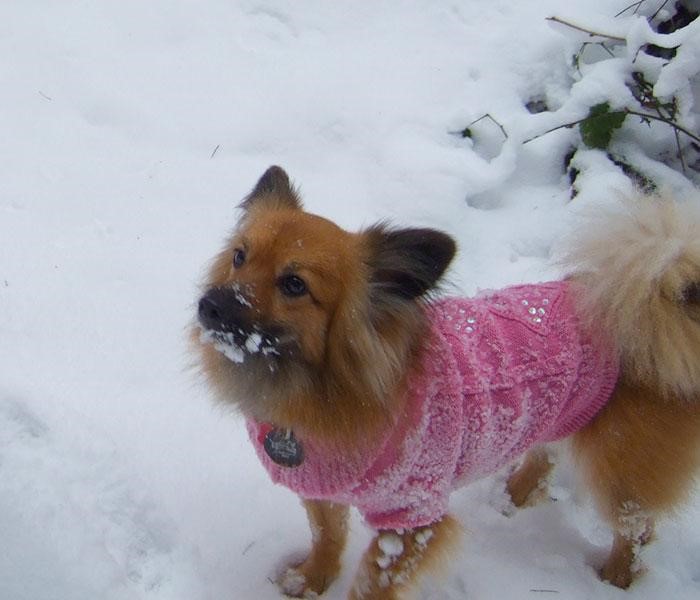
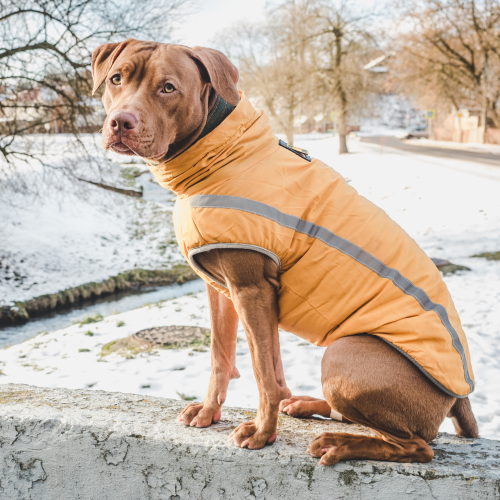
Whether your dog has abundant fur or thin fur, stop periodically to check their body temperature. Be sure to check their ears, feet, and limbs because those areas are harder for them to keep warm. If your dog's body is not toasty warm to the touch, consider putting a jacket on them.
This jacket has excellent reviews and is dual purpose! When your dog's core body temperature is elevated, it will be easier for their extremities to stay warm. You may also want to consider a snood to protect their ears and warmers to protect their legs.
3. Protect your dog's feet from the elements & cold
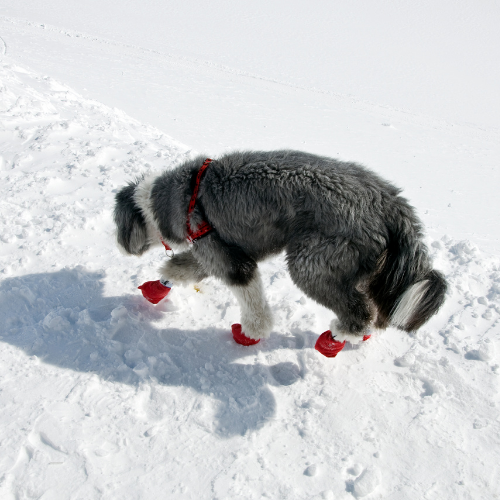
Healthy feet are very important. Without them, your dog won’t make it much farther than out the front door.
There are a lot of dangers in fall and winter, so make sure you check your dog's feet often and watch for conditions on the ground. It can be more difficult to spot things like broken glass or sharp objects in the dark, and salts or deicers can burn your dog's paws or make them sick if they lick them.
Always inspect your dog's feet when you get back from your walk. Watch for limping while out walking because your dog could have a cut or have something stuck between their foot pads.
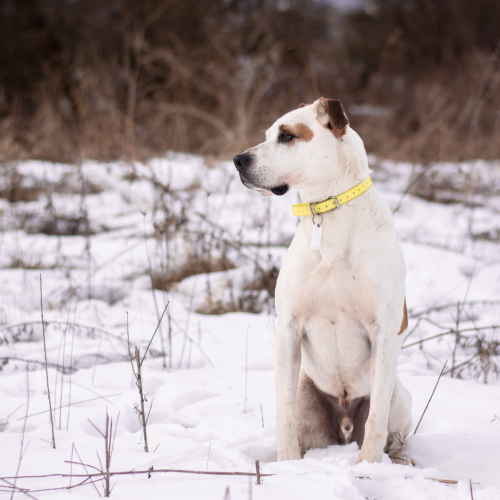
Consider using a paw balm to create a barrier that can protect your dog's feet from chemicals and help them handle abrasions better (like from snow or sand on the sidewalk).
Another option is to get them comfortable, high-quality walking shoes like these, or even adorable, stylish dog leggings. If the ground is excessively cold or you want to be extra sure nothing sticks to their feet, put these booties on them.
4. Protect your pup from getting lost
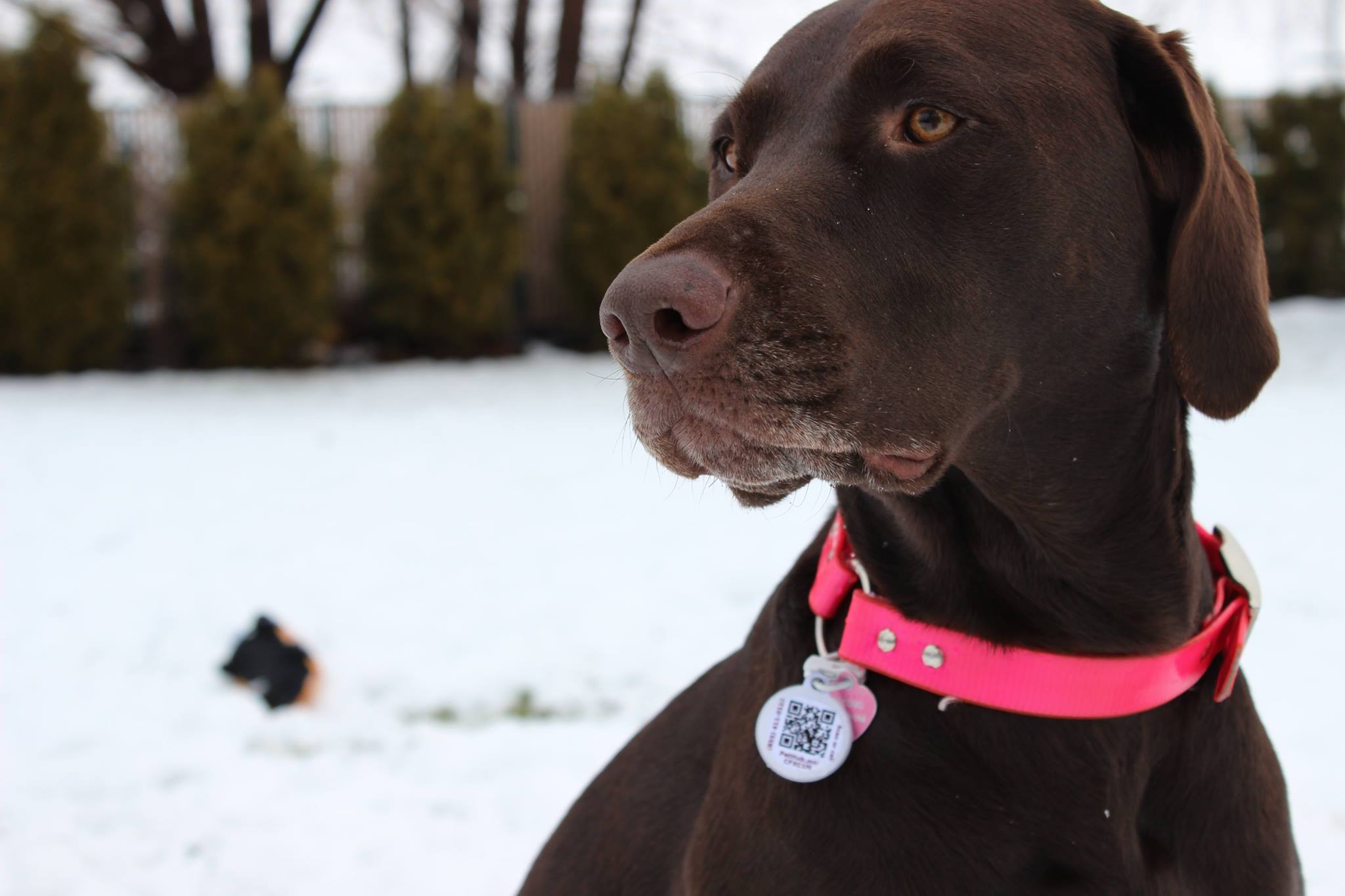
A dog is more likely to be spooked in the dark. They may yank the leash out of your hands and run off. Taking a few simple precautions can be the difference between a brief scare and a heartbreaking search for your furry family member.
First, make sure their ID tags aren’t damaged, and the contact information is up-to-date. With a digital ID tag from PetHub, you can quickly and easily update the info before you head out for your walk.
Consider adding a leash that wraps around your waist or shoulders, so you can walk your pup and keep your hands free while keeping your dog close.
Although this effort starts way before you head out the door, make sure your dog has been trained to have a solid recall. That way, you can be confident they will stop in their tracks and come back to you, even if scared or distracted.