

The warmer months often bring thunderstorms, fireworks, outdoor events, and other loud noises that can be stressful for our pets.
Even if your dog has handled storms or Fourth of July celebrations well in the past, noise sensitivity can develop over time. That's why it's important to create a safe environment and proactively help your dog feel comfortable before the next loud event occurs.
The good news? There are simple things you can do to help your dog build confidence and reduce their fear response.
We spoke with Robin Bennett, Certified Professional Dog Trainer and co-founder of The Dog Gurus, for expert advice on helping dogs cope with noise sensitivity and sound-related fears.
.png?v1.uwC8zqulP7ETVPQ.c6xoT7FcMXaeJ)
"Pet parents can work with their dog throughout the year to help desensitize their noise sensitivities," Bennett says.
While fireworks season often brings attention to the issue, any time is a good time to start helping your dog become more comfortable around loud sounds.
What Are the Signs of Noise Anxiety in Dogs?
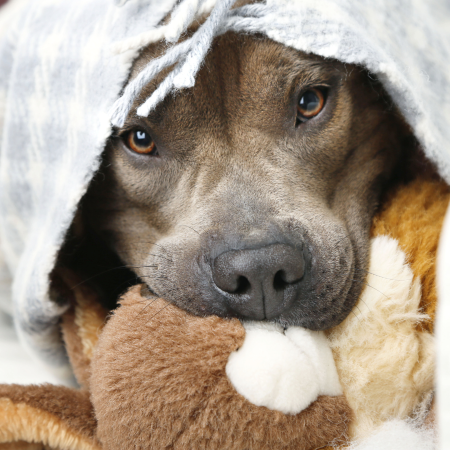
Many dogs can detect a storm long before humans notice changes in the weather. Some may become anxious well before thunder arrives, while others react to fireworks, construction noise, loud vehicles, or unexpected sounds.
Learning to recognize the early signs of anxiety can help you intervene before your dog's stress escalates.
Common Signs of Noise Anxiety
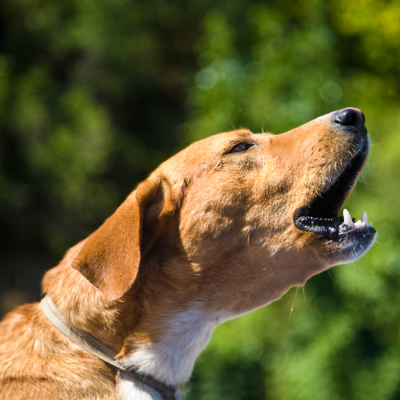
- Excessive barking
- Panting
- Drooling
- Restlessness or pacing
- Trembling
- Hiding
- Destructive behavior
- Indoor accidents
- Clingy behavior
- Aggression
- Attempts to escape
Because frightened dogs are more likely to run away, it's especially important to ensure your dog's identification is current before holidays and events involving fireworks.
Positive Training Techniques for Dogs with Sensitivities to Loud Noises
1. Create a Safe Haven Before Your Dog Needs It
Noise sensitivity often becomes more intense over time, so it's important to establish a safe retreat before your dog encounters a stressful event.
According to Bennett, every dog should have a place where they feel secure and comfortable.
This could be a:
- Crate
- Laundry room
- Bathroom
- Basement
- Quiet bedroom
The goal is to help your dog associate the space with relaxation and safety long before fireworks or thunderstorms occur.
Add comforting items such as:
- A favorite bed
- Blankets
- Favorite toys
- Water
- Long-lasting chews
- White noise or calming music
A great way to build positive associations is to spend time with your dog in the space when they are already relaxed. Offer treats, praise, and enrichment activities so the area becomes a place they choose to visit.
2. Use Enrichment to Redirect Nervous Energy
One of the most effective ways to help an anxious dog is to give them something productive to focus on.
Robin recommends introducing enrichment toys before your dog experiences stress.
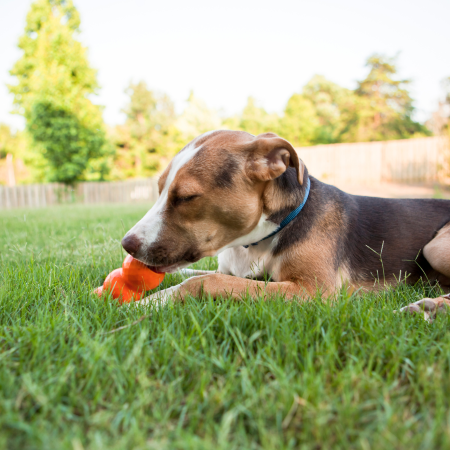
Good options include:
- Stuffed Kong toys
- Snuffle mats
- Puzzle feeders
- Lick mats
- Food-dispensing toys
The key is to introduce these activities when your dog is calm.
If you wait until your dog is already frightened, they may begin associating the toy with the stressful event rather than the positive experience.
Mental enrichment helps dogs engage their brains, build confidence, and redirect nervous energy into problem-solving activities.
If you're looking for additional ideas, check out our guide to mental enrichment for dogs.
3. Gradually Desensitize Your Dog to Loud Sounds
One of the most effective long-term strategies for helping dogs overcome sound sensitivities is gradual desensitization.
Today there are countless recordings available online featuring:
- Fireworks
- Thunderstorms
- Construction noise
- Traffic sounds
- Sirens
_0.png?PxcTbWJDztJIO0JgIlyOD3GyVLwFmrat)
Bennett recommends starting with the sound at a very low volume while your dog is relaxed.
Then pair the sound with something positive:
- Play a game
- Practice training
- Offer treats
- Use enrichment activities
Watch your dog's body language closely.
The goal is not to force your dog to tolerate the sound. The goal is to help them learn that hearing the sound predicts good things.
Over time, the volume can be increased gradually as your dog's confidence improves.
Additional Tools That May Help
Every dog is different, and some dogs may benefit from additional support.
Options include:
- Pressure wraps such as ThunderShirts
- Calming chews
- White noise machines
- Calming music
- DOGTV
- Behavior modification training
Many pet parents find that combining multiple strategies provides the best results.
When Should You Talk to a Veterinarian?
If your dog's anxiety is severe, worsening, or interfering with their quality of life, it's time to consult a veterinary professional.
A veterinarian can help rule out underlying medical conditions, discuss behavior modification strategies, and determine whether additional treatment options may be appropriate.
Veterinary telehealth services like Dutch can also be a helpful starting point for discussing changes in your dog's behavior, identifying potential triggers, and exploring management strategies before the next storm or fireworks display.
The Bottom Line on Helping Dogs Cope with Loud Noises
Helping a dog overcome noise sensitivity takes time, consistency, and patience, but the effort can make a meaningful difference in both your dog's quality of life and your own.
By creating a safe retreat, building positive associations with loud sounds, and incorporating enrichment activities into your routine, you can help your dog feel more confident and secure when thunderstorms, fireworks, and other unexpected noises occur.
"It's well worth the effort to make their life, and your life frankly, better every Fourth of July, New Year's Eve, or any other situation with loud noises," Bennett says.
While your dog won't be desensitized overnight, gradual progress adds up over time. When you consider the lifespan of your dog, the investment in training and preparation can pay off for years to come.
And remember, noise anxiety isn't just about comfort. Frightened dogs are more likely to bolt, escape, and become lost during storms and fireworks events. By helping your dog feel safe and ensuring their identification is current, you're protecting both their emotional well-being and their physical safety.
To learn more about Robin Bennett and The Dog Gurus, visit their website. They also offer an online puppy school designed to help pet parents navigate their dog's first six months and build a strong foundation for lifelong success.
Robin Bennett is a Certified Professional Dog Trainer with more than 20 years of experience. She co-founded The Dog Gurus and has helped countless families better understand canine behavior while also supporting pet care professionals in creating safer, more positive experiences for dogs